Most of us are living with a dozen or more lithium-ion batteries under one roof, and we rarely give them a second thought. That is exactly why the National Fire Protection Association picked this year’s Fire Prevention Week theme: “Charge into Fire Safety: Safe Charging Is a Superpower.” Fire Prevention Week runs October 4 to 10, and with the days getting shorter and more of life moving indoors around here, it is the perfect time for a household battery checkup.
The good news? Staying safe takes about as much effort as remembering to plug your phone in at night. Here is what you need to know.
Why Lithium-Ion Batteries Deserve a Little Respect
Lithium-ion batteries are fantastic. They pack a ton of power into a small package, which is why they are in nearly everything we own. But that stored energy is also what makes them risky when something goes wrong. A battery that is damaged, overcharged, poorly made, or exposed to extreme heat can overheat in a hurry, and when one fails, it can burn hot, spread fast, and even reignite after it looks like it is out.
None of that is meant to scare you off your cordless tools. It is just a good reminder that a few simple habits go a long way.
Your Safe Charging Superpowers
1. Use the Right Charger, Every Time
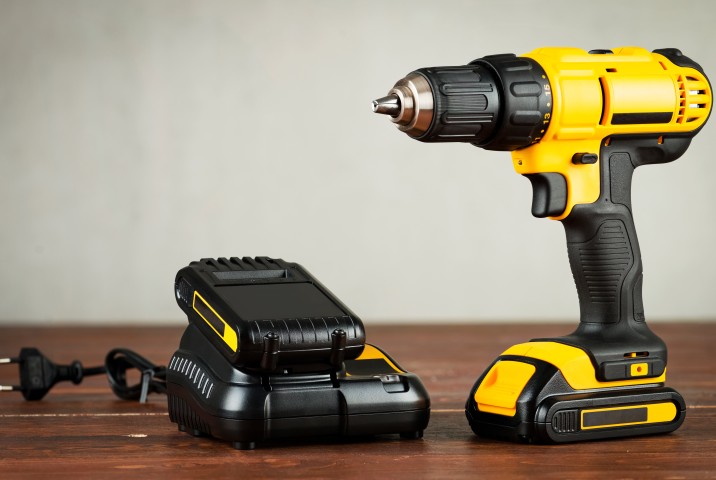
That bargain replacement cord from the bottom of the online bin might fit, but that does not mean it belongs. Stick with the charger that came with the device or a replacement approved by the manufacturer. Mismatched chargers can push the wrong amount of power into a battery, and that is where trouble starts.
2. Look for the Safety Certification Mark
When you buy anything with a rechargeable battery, especially bigger items like e-bikes, e-scooters, and hoverboards, look for a mark from a nationally recognized testing lab (UL is the one most people know). It means the product was actually tested for safety and not just shipped straight from the factory floor to your porch.
3. Charge on Hard Surfaces, Not Soft Ones
We have all done it: phone charging under the pillow, laptop charging on the bed, tablet tucked into the couch cushions. Soft surfaces trap heat and give a problem battery something flammable to work with. A nightstand, desk, or kitchen counter is a much better home base.
4. Unplug When It Is Full
Big batteries like e-bikes and scooters should not sit on the charger all night or all weekend. Charge them while you are home and awake, then unplug once they hit full. Phones are more forgiving, but the general rule still applies: if you can, charge where you would notice if something went sideways.
5. Keep the Exit Clear
Never park or charge an e-bike or scooter in a hallway, stairwell, or right next to the front door. If a battery ever does fail, you do not want it standing between your family and the way out.
6. Retire Damaged Batteries Right Away
If a battery has been dropped hard, crushed, or soaked, or if it starts acting strange, stop using it. Warning signs include:
- Swelling or a bulging case
- Getting unusually hot while charging or in use
- A strange odor
- Hissing, popping, or crackling sounds
- Leaking, smoke, or a change in color
If you notice any of these, move away from the device and call 911 if there is smoke or fire.
The Cold Weather Twist Most People Miss
Here is one that matters a lot up here. Lithium-ion batteries do not love freezing temperatures, and most manufacturers advise against charging them when they are below freezing. That e-bike or tool battery sitting in an unheated garage on a 20 degree January morning should come inside and warm up to room temperature before it goes on the charger.
The flip side matters too. Do not leave batteries baking in a hot car in summer or sitting right next to a space heater or wood stove in winter. Think of them like a houseplant: they are happiest at the same temperatures you are.
While you are thinking about winter storage, this is a great time to give your summer gear a little attention. Lawn mower batteries, string trimmer batteries, and e-bike packs headed for hibernation should be stored somewhere cool and dry, and many manufacturers recommend a partial charge rather than a full one or a completely dead one. Check your owner’s manual for the sweet spot.

Do Not Toss Them in the Trash
Old lithium-ion batteries do not belong in your kitchen garbage or your recycling bin. They can be crushed in the truck or at the facility and start a fire. Instead, take them to a battery drop-off location. Many home improvement and electronics stores have collection bins, and your local solid waste or county household hazardous waste program can point you to the closest option. Put a piece of tape over the terminals before you drop them off for extra peace of mind.
Your Five-Minute Fire Safety Checkup
Since you are already thinking about safety this week, knock out these quick wins too:
- Test your smoke alarms. Press the button on every one. If it does not chirp loud and proud, swap the battery or replace the unit. Most smoke alarms should be replaced every 10 years.
- Make sure there is an alarm where you charge. If the e-bike lives in the garage or the tools charge in a shop, consider adding protection out there too. A heat alarm is often a better fit for garages, where dust and fumes can set off a regular smoke alarm.
- Check your fire extinguisher. Make sure everyone in the house knows where it is and that the gauge reads in the green.
- Talk through an escape plan. Two ways out of every room and a meeting spot outside. Kids actually think this part is fun, so make it a game.
- Do a charger sweep. Toss frayed cords, retire the gas station knockoffs, and move anything charging on a bed or couch to a hard surface.
A Home Worth Protecting
Your home is more than four walls and a roof. It is where the holidays happen, where the kids grow up, and where you finally kick your boots off after a long day. Spending a few minutes on safe charging habits is one of the easiest ways to protect all of it.
So this week, go ahead and use your superpower. Unplug what is full, move the phone off the pillow, and give those smoke alarms a test. Your future self will thank you.